🎵 Audio guide
Calzadilla is located in the natural region of the Alagón Valley and is bordered to the north by the neighbouring Sierra de Gata. It is a land of undulating hills covered in dehesa (sparsely forested grassland), pastureland and olive groves, nestled between the River Árrago and the River Alagón itself. Since ancient times, its location has encouraged human settlement and the development of agriculture and livestock farming.
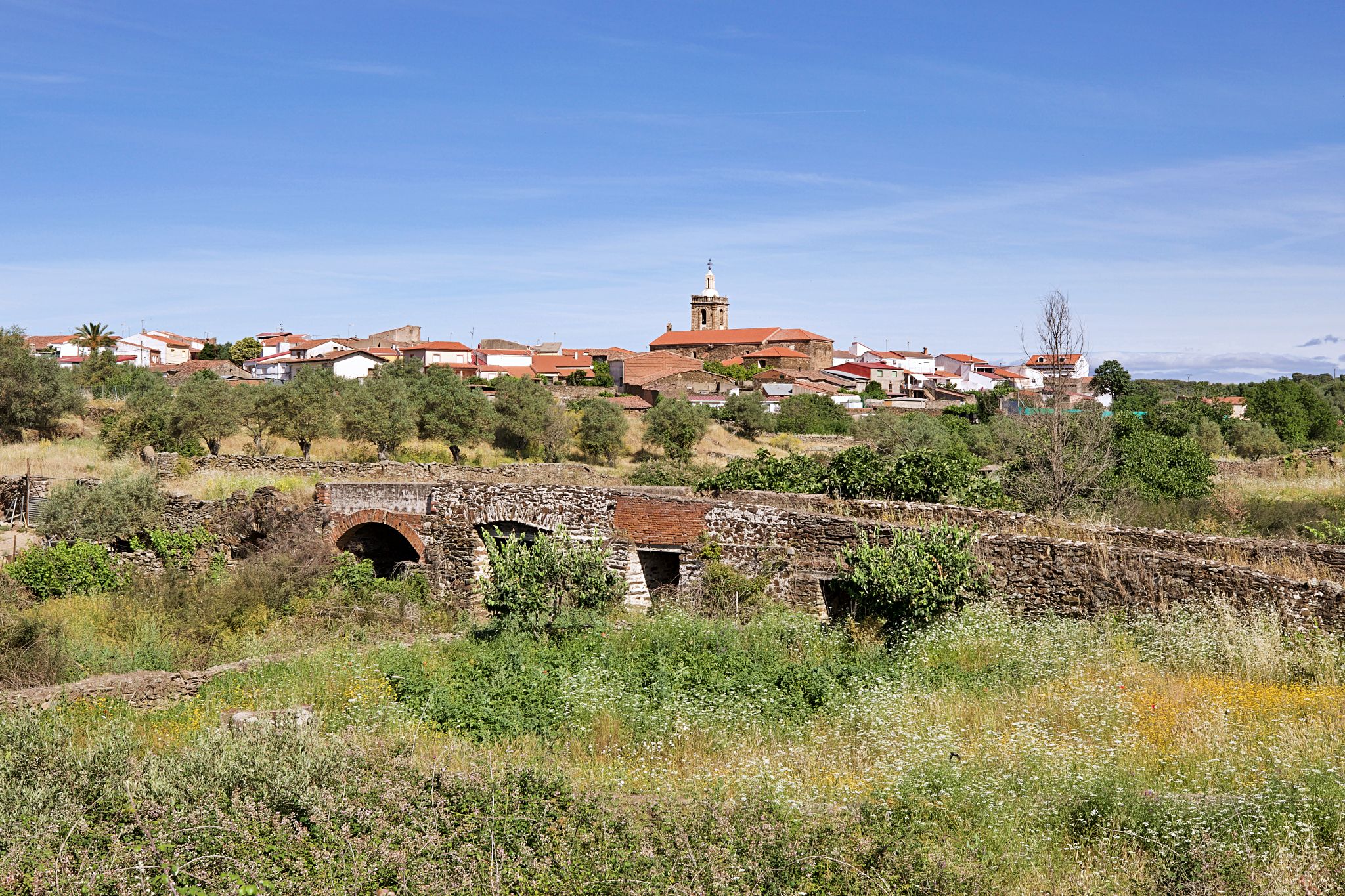
Surrounding the village is a mosaic of greenery, where small olive groves and pastures sit alongside patches of dehesa. Next to these, old vegetable gardens and fertile plains stretch along the banks of the Patana stream, which meanders through the characteristic green of its riverside vegetation, interrupted by the Old Bridge. These areas are usually separated by dry-stone walls made of slate.
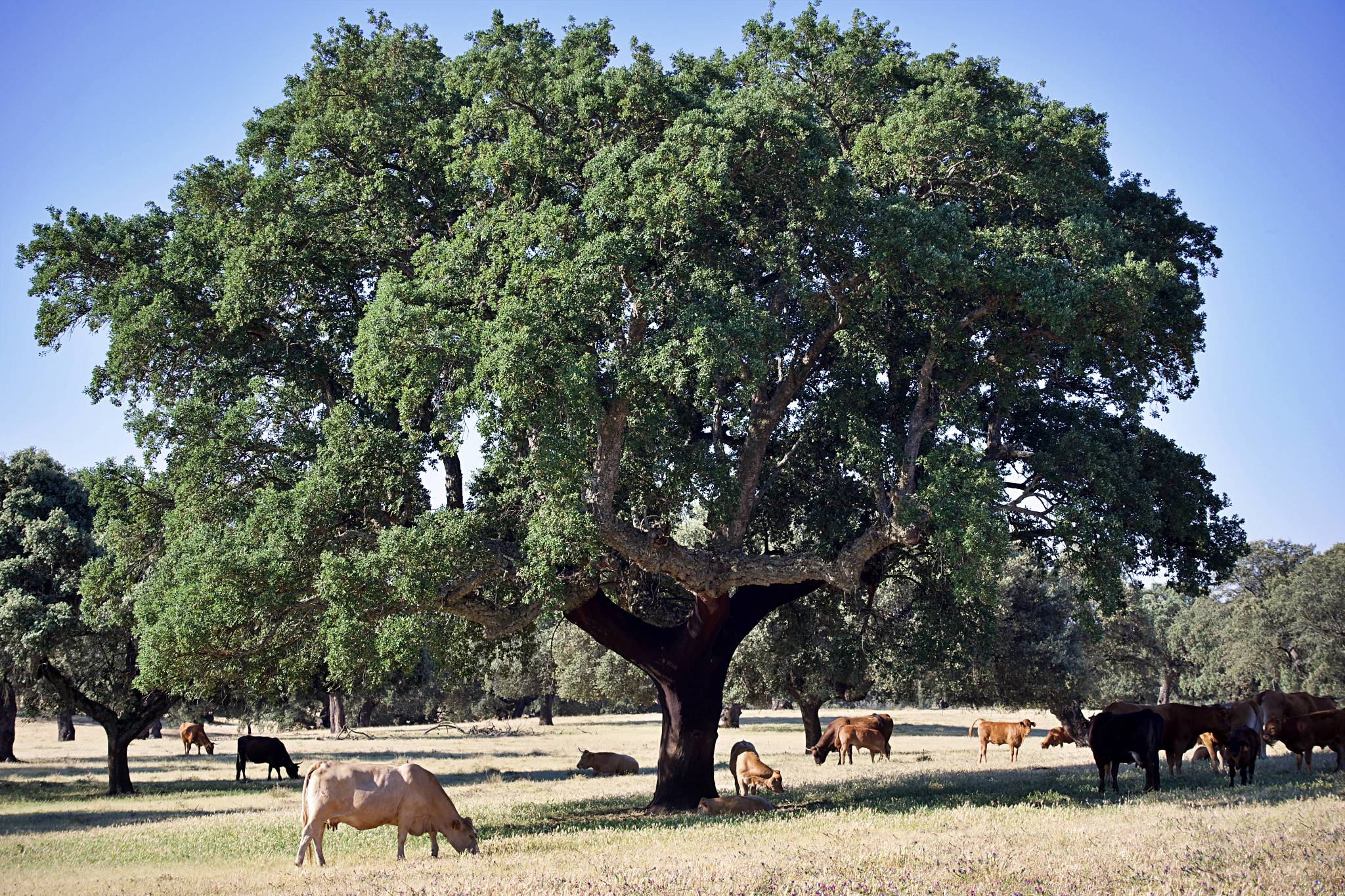
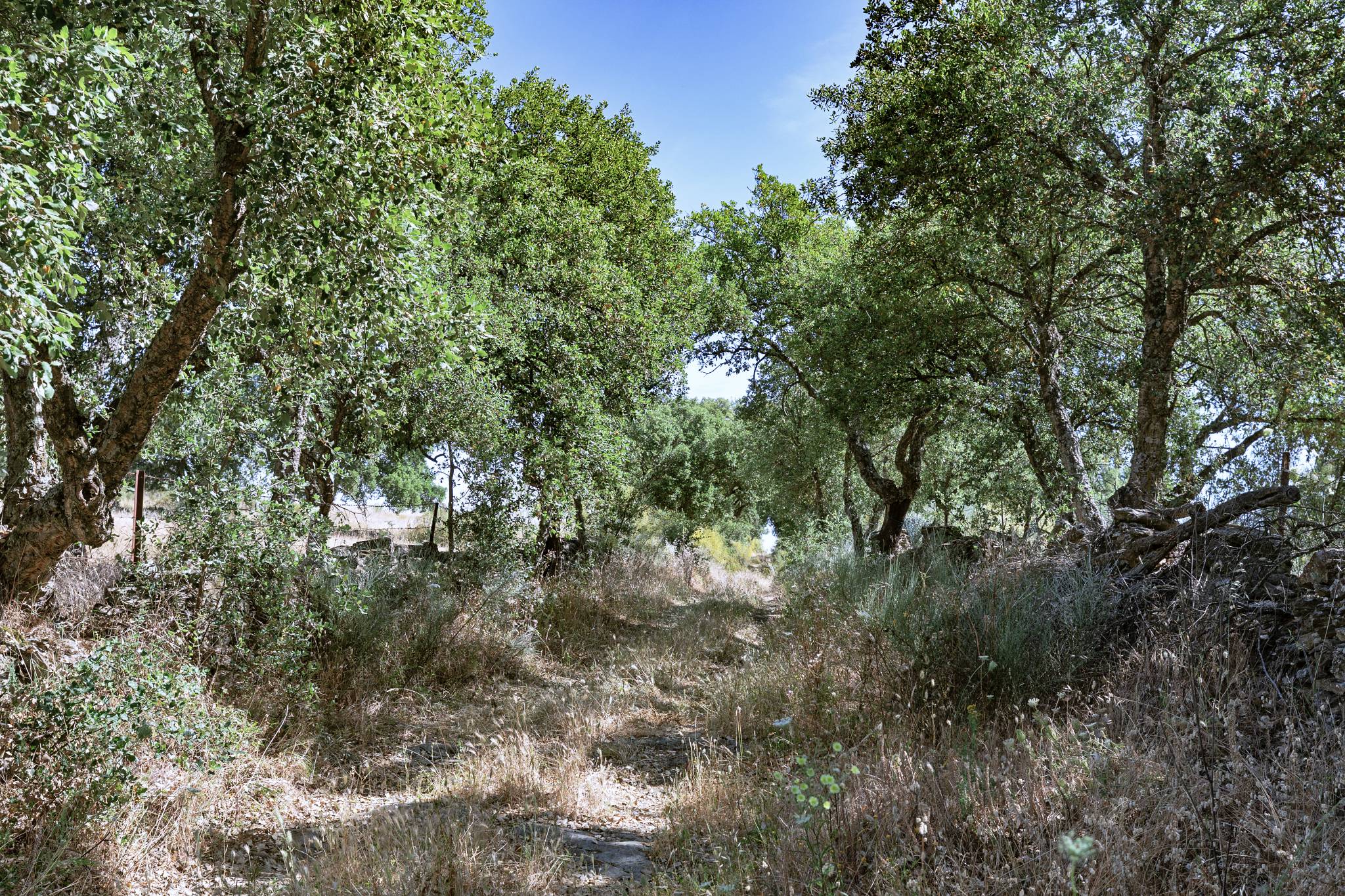
Further from the village, the landscape is dominated by pastureland and dehesa, a typical example of the Mediterranean forest ecosystem where cork oak, holm oak, and Pyrenean oak predominate, with an occasional natural hybrid of these species, surrounded by scrubland. It illustrates a harmonious coexistence of humanity with the environment: it has been sustainably managed for centuries and nowadays many leisure and recreational activities take place there.
Inhabited since prehistoric times, the earliest archaeological remains date back to the Roman period. The Via Dalmacia ran through this area, crossing the Sierra de Gata and linking two important settlements, Caurium (Coria) and Miróbriga (Ciudad Rodrigo). The name of the village may well have originated in that period. Remains of ancient gold mines are also preserved at El Chivote.
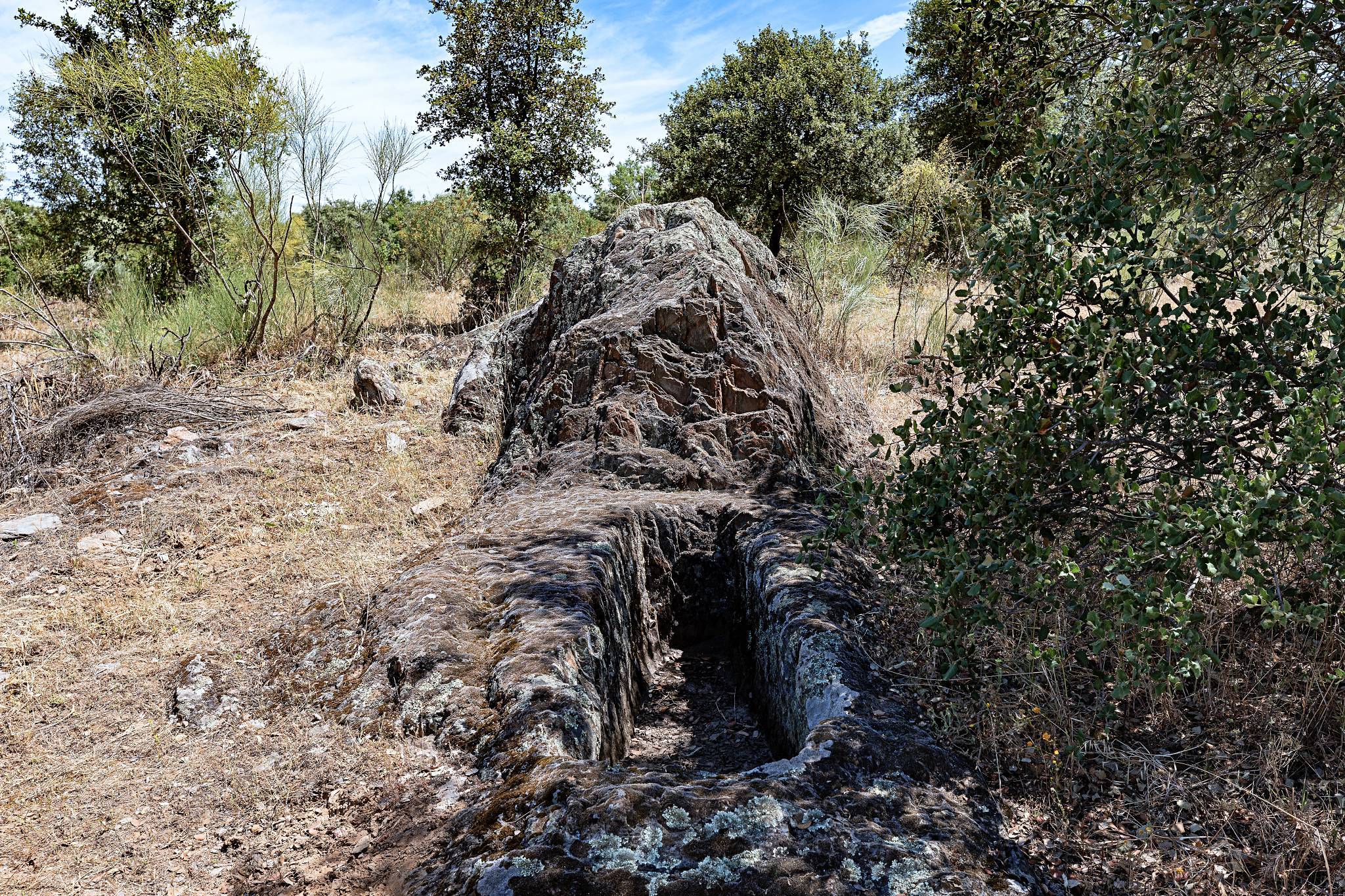
Remains of hill forts and anthropomorphic tombs dating from pre-Roman and medieval times can still be found scattered throughout the surrounding area. During the Reconquista, the village came under the military authority of San Juan de Mascoras, in the Sierra de Gata, but it wasn't until 1212 that Alfonso IX definitively annexed these lands to the Crown of León.
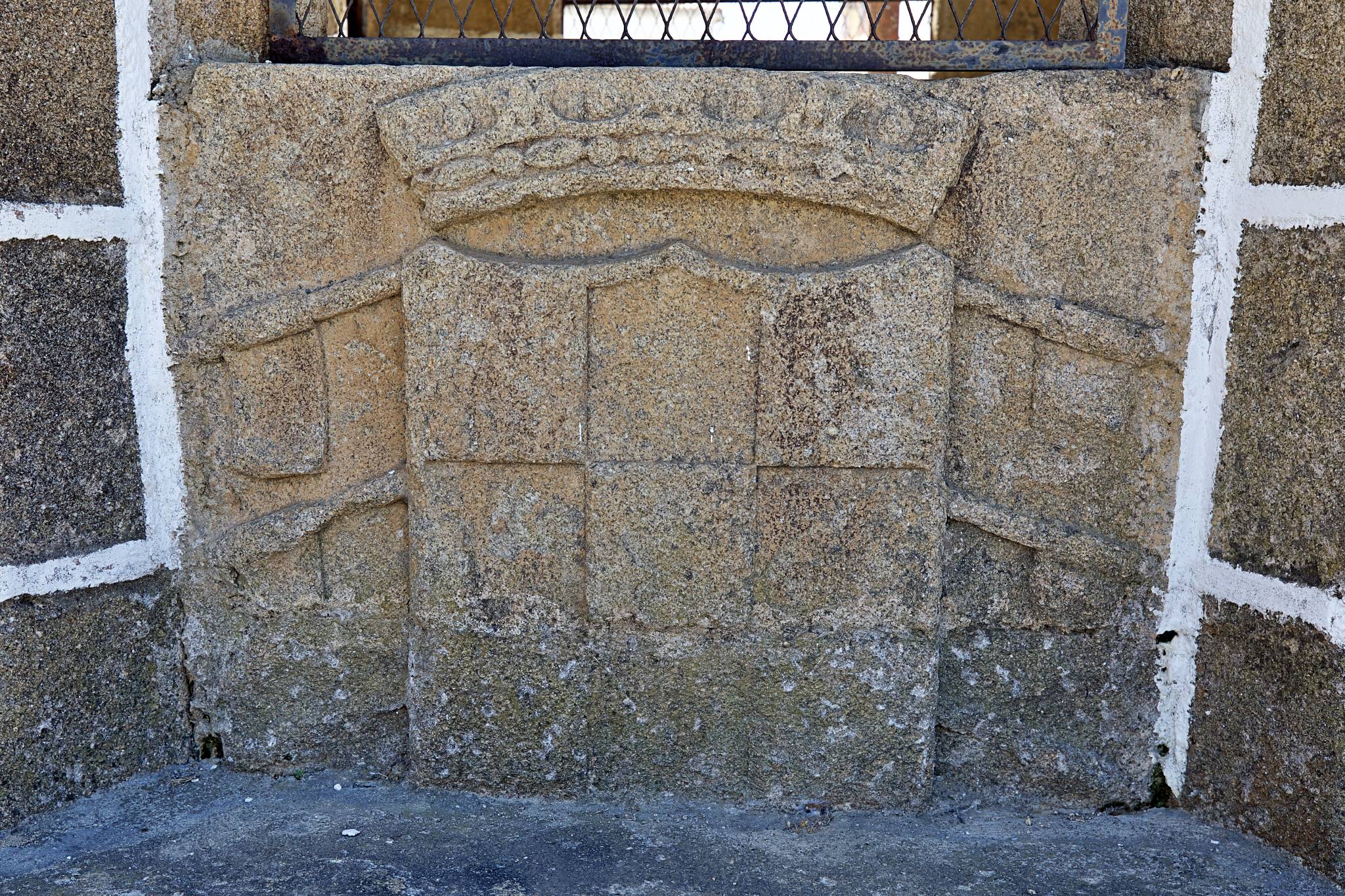
In the 15th century, the House of Alba took control of Coria and established its marquisate, which included Calzadilla; a feudal arrangement which lasted until the 18th and 19th centuries. Later, during the War of Independence, the village suffered the loss of numerous historical documents when the municipal archives were burnt.
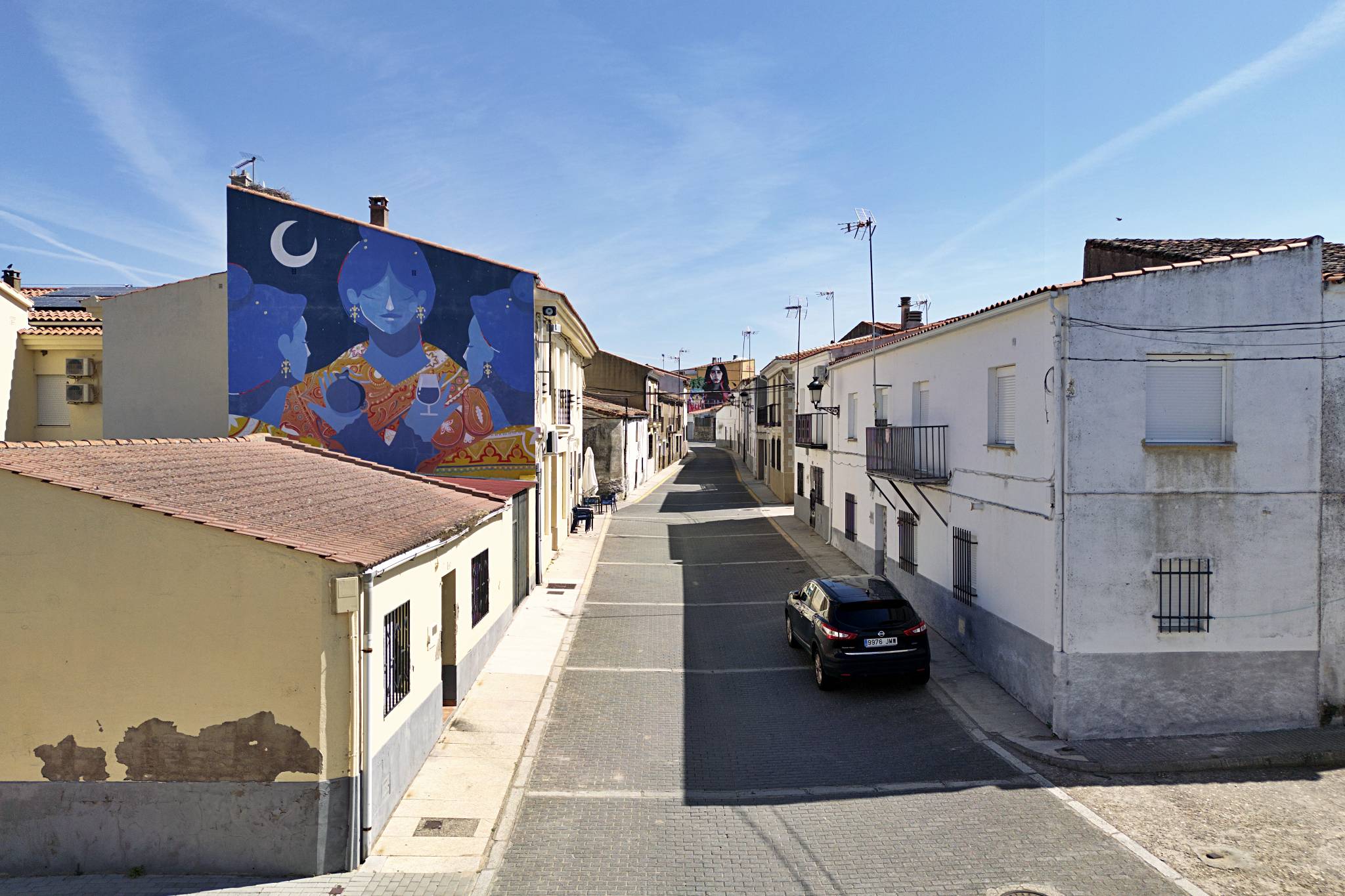
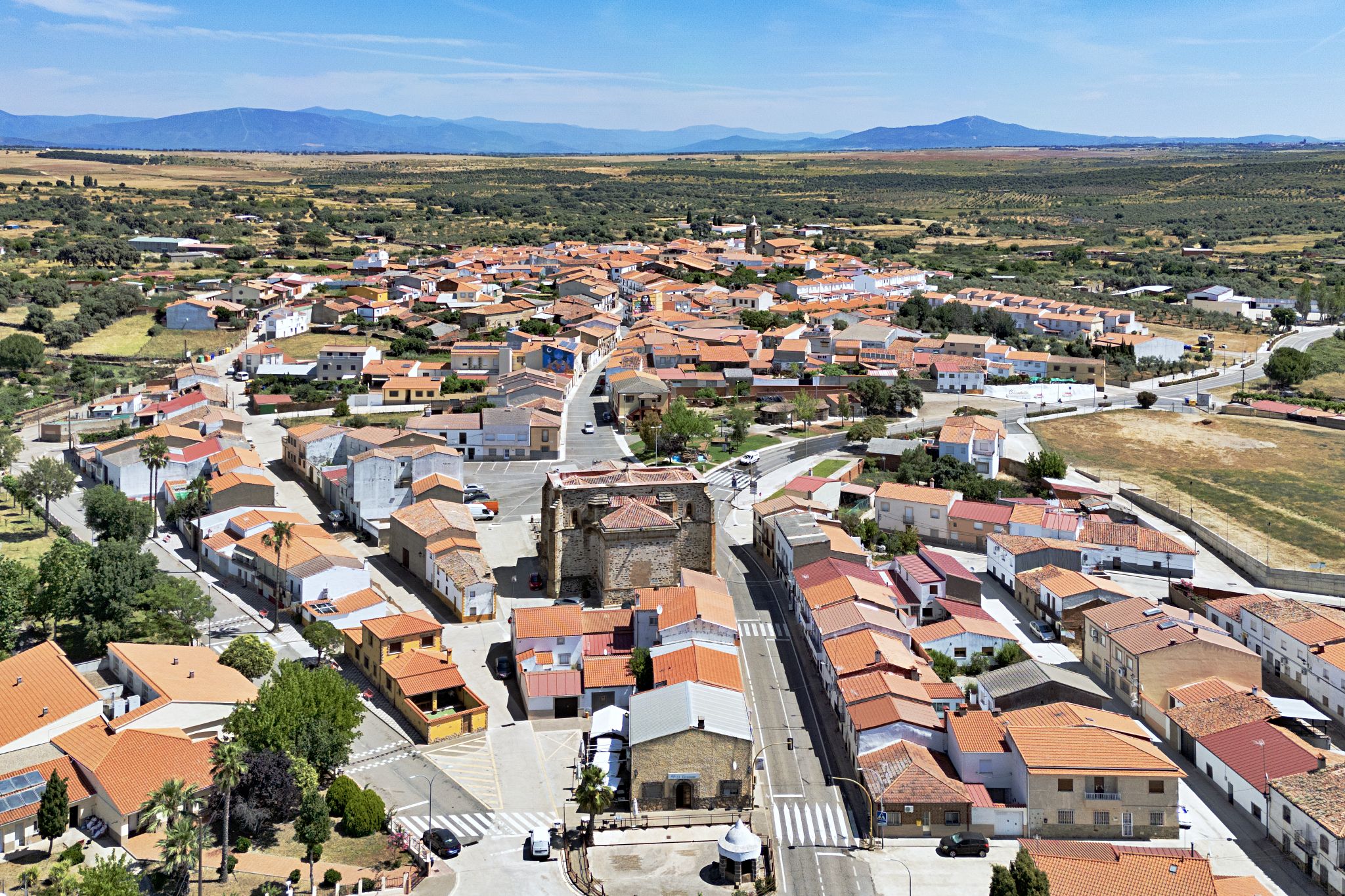
Calzadilla is a village worth exploring. It retains a simple and harmonious appearance, centred around a long main street linking the chapel to the square. Beyond the square, a winding maze of streets lead to the church, which forms the focal point of a network of small streets. Throughout the village, there are fine examples of traditional architecture, with whitewashed houses built of stone, adobe and Arabic-style tiles.
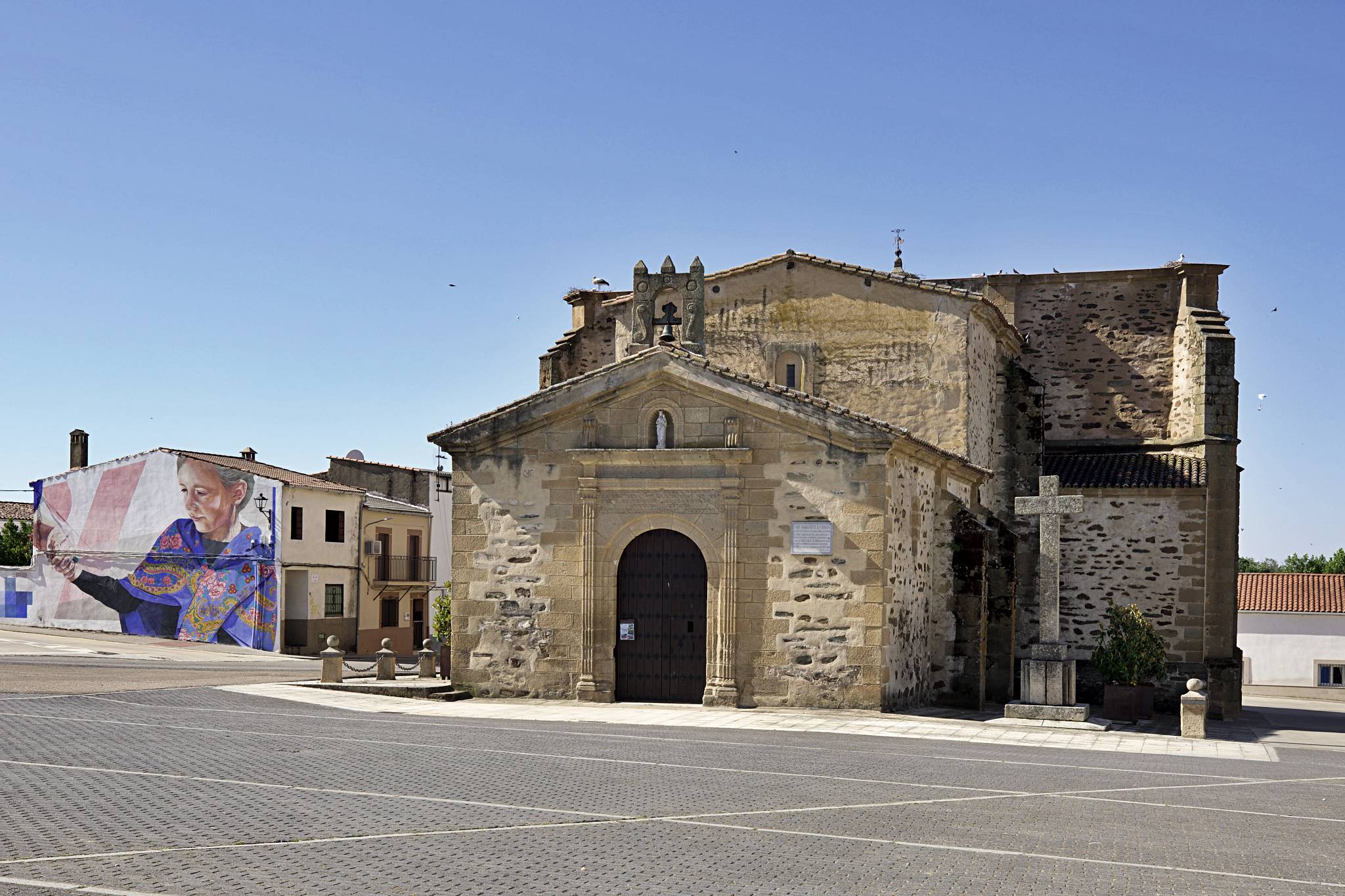
Some of its many interesting features are the Church of La Consolación, with its Renaissance tower; the Chapel of the Santísimo Cristo de la Agonía; the legend of the lizard and its monument; the ancient wells; and the murals that adorn the streets.
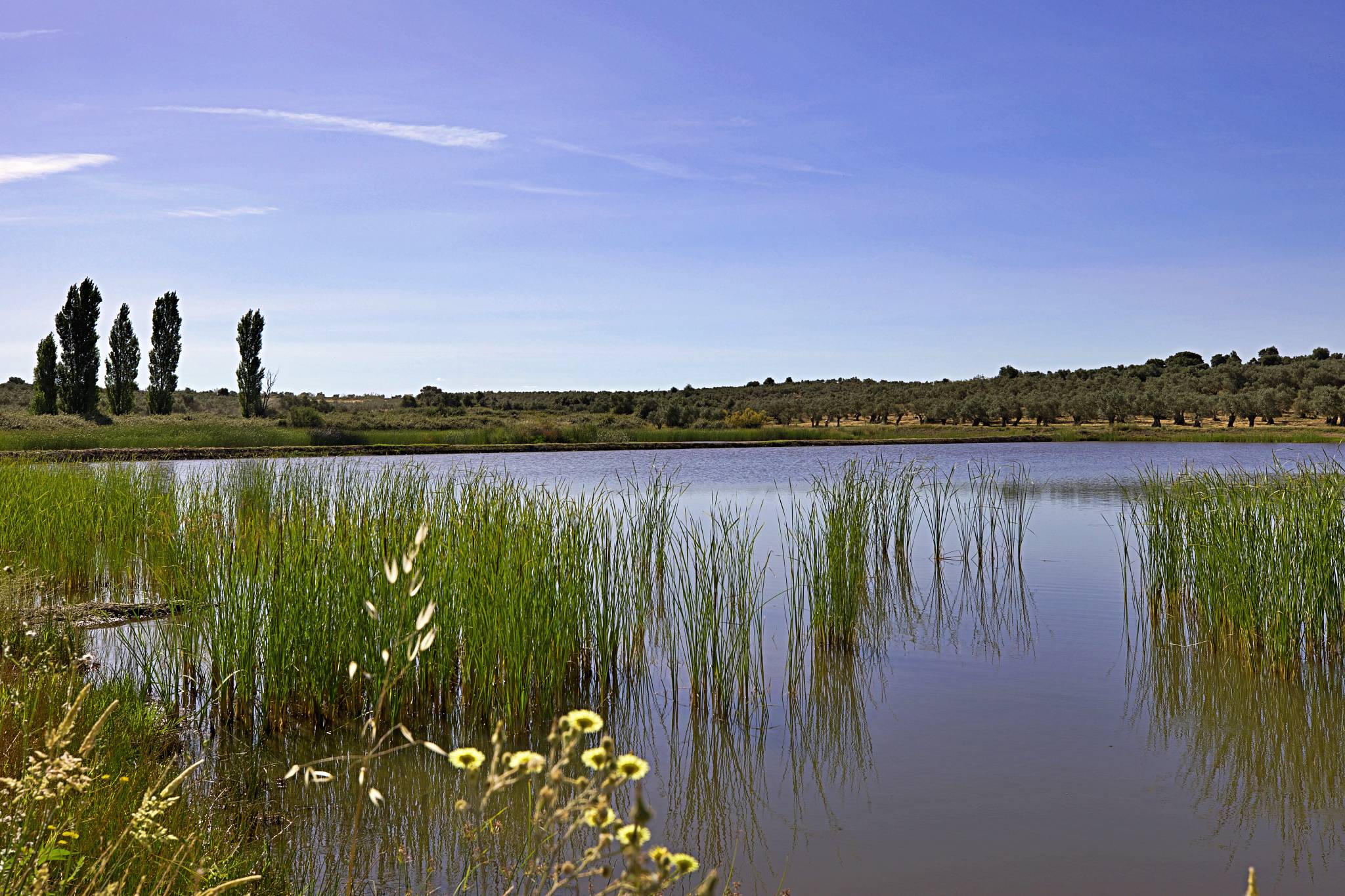
In the surrounding countryside, in addition to the aforementioned Roman mining remains and anthropomorphic tombs, there are also several bridges. The dehesa, with its ponds, is of great ecological value and is perfect for hiking, birdwatching or other leisure activities.
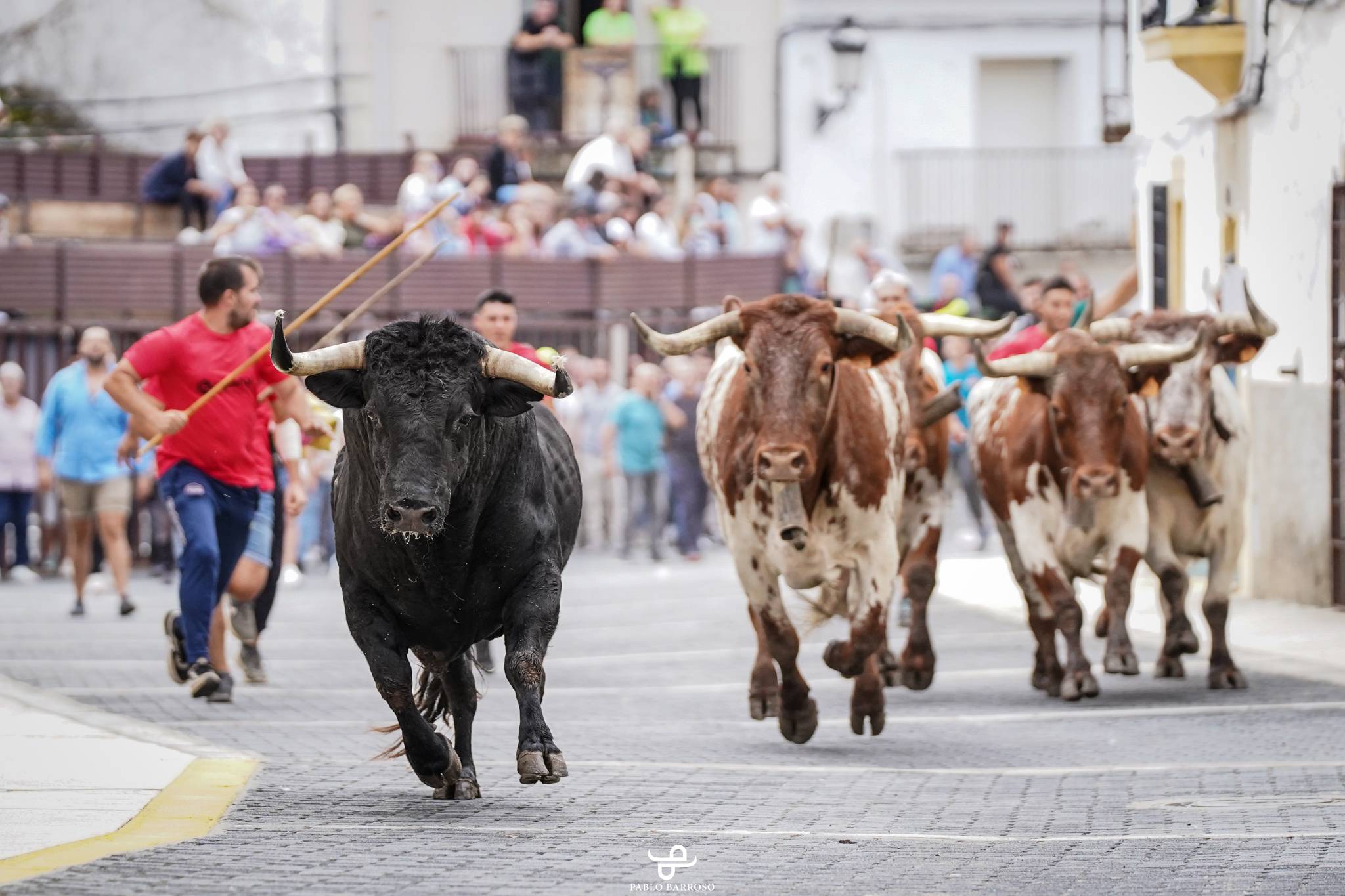
And amongst its traditions, the festival of Los Cristos stands out, featuring traditional bullfighting festivities in the square and surrounding streets, accompanied by the tasting of donkey meat during these festive days.